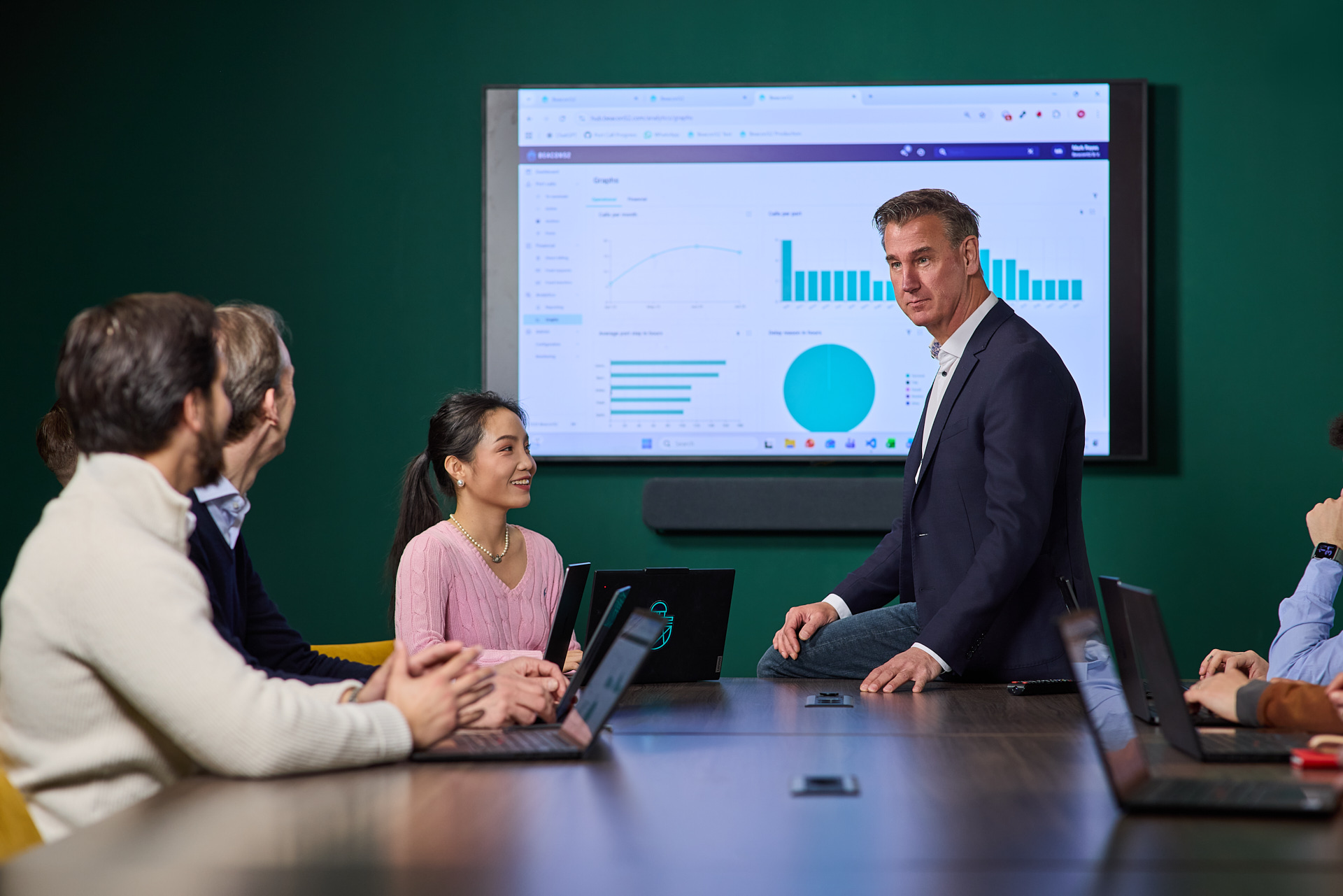
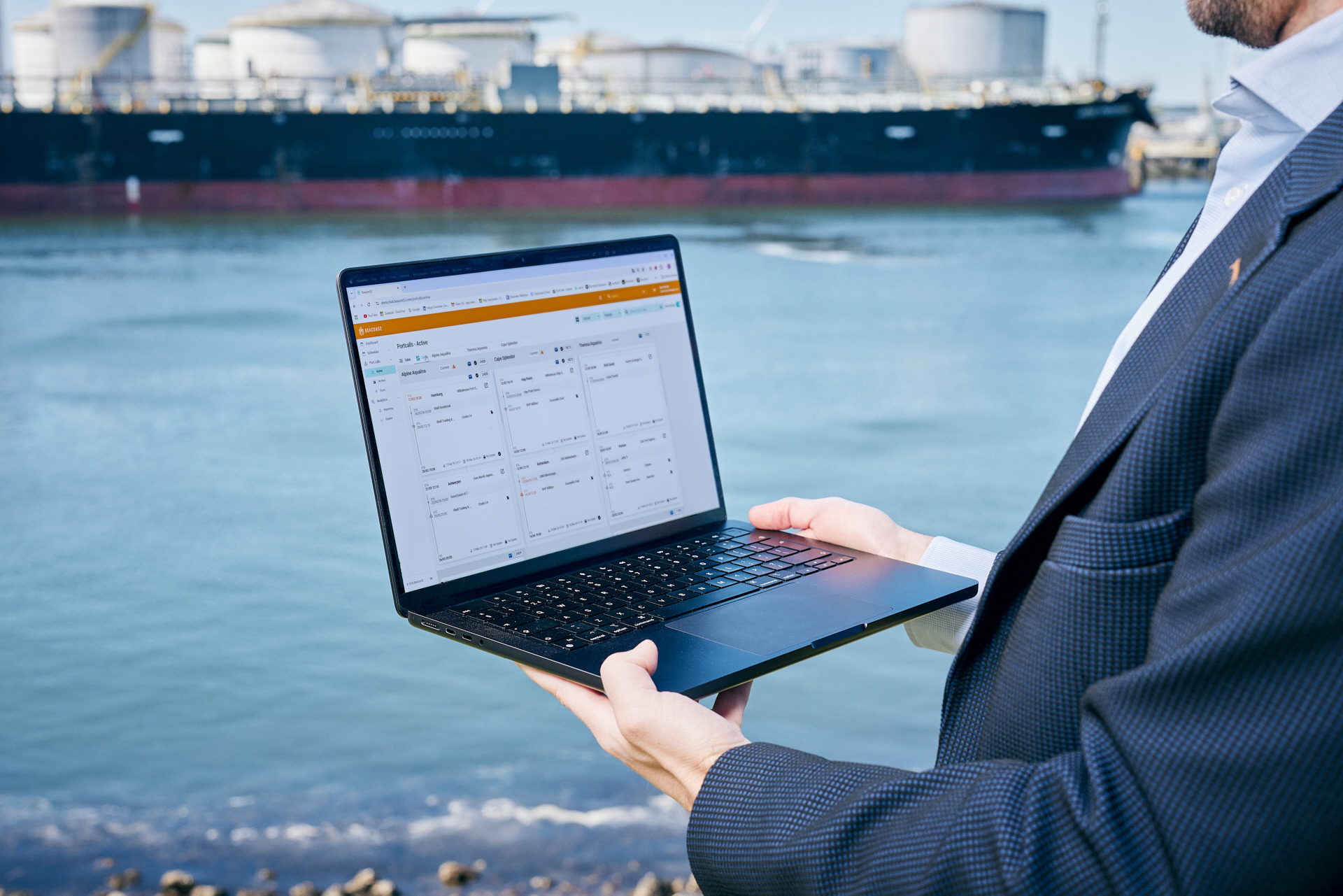
A port call may involve one vessel, but the operation around it depends on many people. Masters, operators, agents, terminals, service providers and finance teams all contribute at different moments, often from different locations and through different systems.
Keeping those parties aligned becomes increasingly difficult when timings change, new information arrives or an exception requires immediate attention. Communication is rarely in short supply. The challenge is making sure that all those updates add up to a reliable picture of the operation.
Shared visibility gives everyone involved the context to understand what is happening, what has changed and where attention is required. For shipping companies managing hundreds or thousands of port calls, this is becoming an important foundation for more predictable and effective collaboration.
A port call is a shared operation
Few processes in shipping depend on coordination between as many different parties as a port call. Before arrival, the agent coordinates local requirements and services. The master provides vessel information and operational updates. The terminal manages berth and cargo readiness. The operator monitors the wider voyage and responds to changes. Pilots, towage providers, surveyors and other service providers become involved at specific moments. Finance teams need reliable information to understand and validate the costs that follow.
Each party has its own responsibilities, yet their work is closely connected. A revised ETA can influence berth availability and service arrangements. A delay in cargo operations can change departure planning. Additional services may later require financial validation. As the number of vessels, port calls and stakeholders grows, maintaining a common understanding of the operation becomes a significant part of port call management itself.
Keeping everyone aligned
During a port call, information moves continuously. The vessel sends an updated ETA. An agent confirms arrangements. The terminal provides a revised berth expectation. Cargo operations start later than planned. Departure prospects change. Documents and service confirmations arrive throughout the process.
Every individual update may be correct, while the overall situation remains difficult to follow. Information reaches different people at different moments and through different channels. A change may be known to one stakeholder before its wider operational impact is understood elsewhere.
The practical consequence is familiar to many operations teams. Time is spent establishing the latest situation before a decision can be made. Which ETA is current? Has the agent acted on the change? Does the terminal have the same information? Which services are affected? Across a fleet with many simultaneous calls, this creates a substantial coordination burden.
Creating a shared operational picture
A shared operational picture brings the relevant information around a port call together in context. Timings, milestones, vessel updates, responsibilities, documents and exceptions become part of the same operational record. Changes can then be understood in relation to the wider port call instead of as isolated messages.
Imagine a vessel whose arrival moves several hours later. The berth window may be affected, pilotage or towage arrangements may need to change, and cargo operations could start later, with consequences for the expected departure. When those elements are connected, teams can assess the situation more quickly and determine where action is required.
The same principle applies as the call progresses. Cargo updates, service confirmations, documentation and departure information form a continuous timeline of what happened, giving operators context without requiring them to reconstruct the situation from multiple sources.
Different roles within the same operation
A shared operational picture does not require every stakeholder to see or manage the port call in the same way. A master has different responsibilities from a DA controller. An agent needs detailed information about local arrangements, while a fleet manager may need oversight across dozens of simultaneous port calls.
A shared environment reflects those differences while keeping the underlying information consistent. A change recorded during the port call should remain reliable wherever that information becomes relevant later.
For modern port call management software, this is an important principle. A single source of truth is most valuable when it supports different roles without creating separate versions of the operation.
When plans change
The value of shared visibility becomes especially clear when a port call deviates from plan. Weather changes, ports become congested, berth windows move, cargo is not ready and service availability changes. The consequences can extend beyond the port call itself, potentially affecting departure or the next voyage leg.
Reliable shared visibility helps teams understand those consequences quickly, identify which parts of the operation are affected and determine where action is required. For lean operations teams managing many calls simultaneously, this reduces the time spent piecing together the current status and makes exceptions easier to identify.
Connecting vessel and shore
Much of the most important port call information originates onboard. Arrival, anchoring, berthing, cargo commencement and completion, delays and departure all shape the timeline of the call. Office teams depend on those updates to coordinate the wider operation, while agents and terminals need accurate timings and management may rely on the same information for fleet-wide visibility.
Modern maritime operations software can shorten that path by capturing key updates within a shared port call workflow and making vessel information part of the operational timeline. This gives masters, agents and operators a stronger basis for applying the judgement, local knowledge and operational experience that port calls will always require. Reliable information makes those conversations more focused and allows human expertise to be applied where it matters most.
When onboard updates travel through several communication steps before reaching the people or systems that depend on them, delays and inconsistencies become more likely.
Collaboration continues after departure
The operational picture remains valuable after the vessel has sailed. Every Disbursement Account reflects services and events that took place during the port call. Pilotage, towage, berth costs and additional services all have an operational origin. Finance teams therefore depend on the quality of the information captured during execution.
If that context is difficult to retrieve, validating a cost may require searching through emails, requesting documentation or asking operations colleagues to reconstruct what happened. A complete and traceable operational record makes the circumstances behind a charge easier to understand.
A confirmed service can be related to the event that required it, while an unexpected cost can be investigated with the relevant context already available. Approvals become easier to trace and the resulting financial data has a stronger operational foundation.
For organisations seeking greater control over port costs, the quality of collaboration during execution has a direct bearing on financial governance. A connected maritime operations platform can support this by keeping operational events and their financial context within the same traceable process.
Making operational expertise easier to retain and share
Shipping operations depend heavily on experience. Experienced operators know which ports require extra attention, which information to request early and which changes are likely to create downstream consequences. Agents contribute critical local knowledge, while masters understand the operational reality onboard. Technology becomes particularly valuable when it helps that expertise travel further: across teams, vessels and future port calls.
The value lies not only in retaining what happened, but also in preserving the context around it. Why was a decision made? What information was available at the time? Which exception required intervention, and what was the outcome? When that context is captured alongside operational events, experience becomes easier to retain, share and apply across future port calls.
This ability to retain and share operational knowledge becomes particularly valuable as responsibilities change or new employees join the team. It also allows knowledge to compound over time. Each port call adds new information, context and experience to the organisation’s operational memory, rather than leaving those lessons scattered across individual inboxes, spreadsheets or personal recollections.
A stronger foundation for continuous improvement
The same operational record also improves the quality of the data available for analysis. When events are captured in a structured and comparable way, patterns become easier to identify across vessels, ports, terminals and agents. Recurring exceptions become visible, while differences in turnaround times, waiting times or service performance can be investigated with greater confidence.
Over time, this creates more than a reliable dataset. It builds an operational memory that helps organisations recognise recurring situations, understand previous decisions and apply those lessons to future port calls. As that knowledge compounds, artificial intelligence (AI) can help make it increasingly usable: identifying patterns across large volumes of port calls, surfacing relevant historical context, detecting recurring exceptions and supporting teams in anticipating what may require attention next.
This creates a stronger basis for analytics, benchmarking and future decision-making, while giving human expertise access to a much broader operational history. The quality of those insights still depends on what happens earlier in the process: incomplete or inconsistent operational information will carry the same limitations into reporting and analysis.
The new standard for maritime collaboration
Every port call shouldn’t just be managed well. It should make the organisation better at managing the next one. Port calls will remain multi-party operations. Ships, agents, terminals, service providers and office teams will continue to work across organisations, countries and time zones. A shared understanding of the operation becomes increasingly valuable as scale and complexity grow.
Modern port call management software can provide the structure required to maintain that understanding as circumstances change. Operational updates remain connected to their context, responsibilities are visible, and the history of the call remains available throughout the operational and financial process.
For shipping companies managing growing volumes with lean teams, a connected port operations platform creates a more scalable way of coordinating complex operations and a stronger foundation for financial control, performance analysis and organisational learning.
As maritime operations continue to digitalise, shared visibility will become an increasingly important part of effective port call management. Shipping companies already have considerable operational expertise distributed across vessels, offices, agents and other partners. Giving that expertise a reliable, structured information environment helps teams make better-informed decisions today while preserving the context and experience that can improve port calls tomorrow. Over time, that knowledge compounds, allowing each port call to contribute to how the organisation manages the next.