
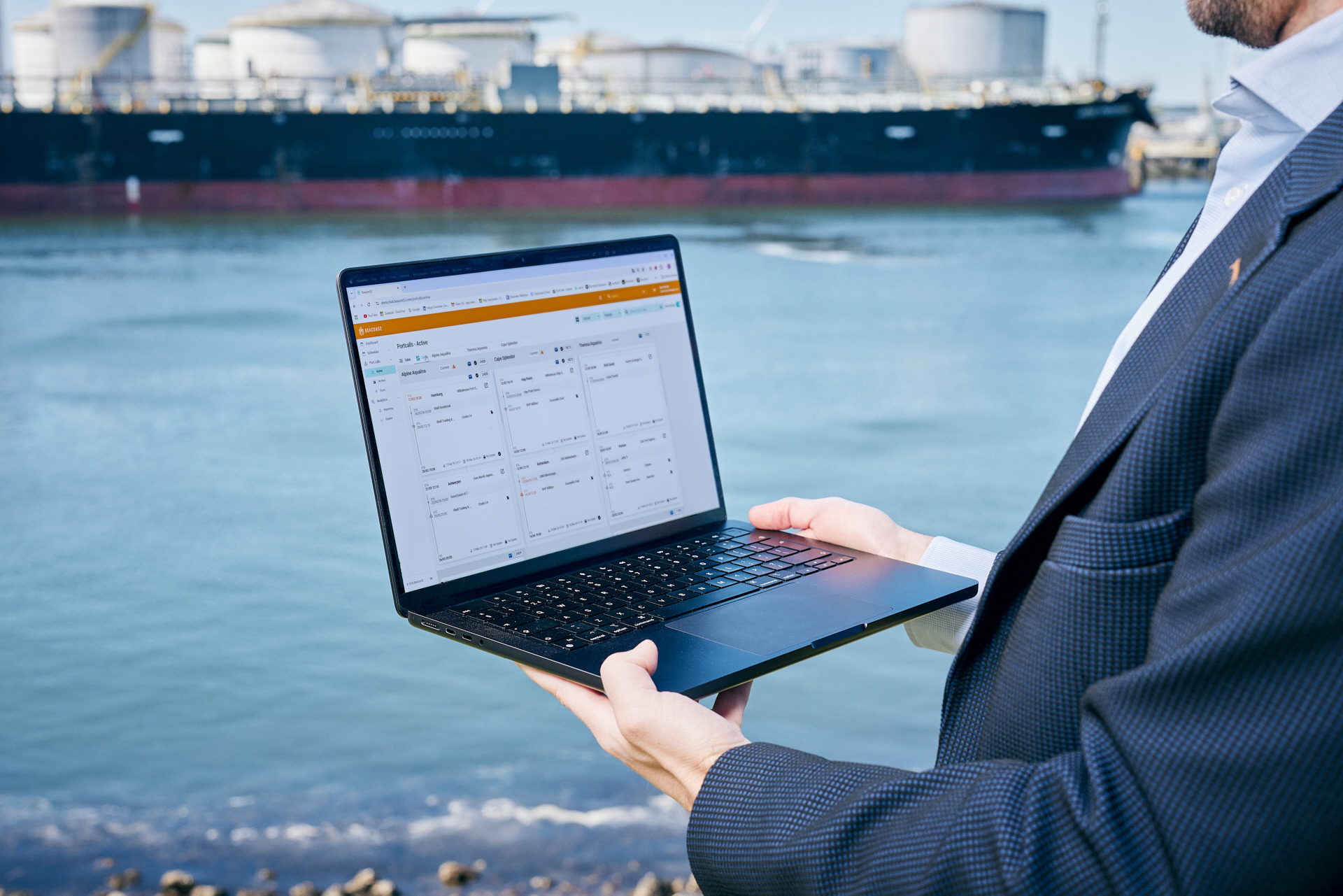
Analytics & Insights Platform Port Call Operations
When everyone works from the same operational picture, better coordination is only the beginning. Each port call adds information, context and experience to a growing operational memory, allowing organisational knowledge to compound over time. That strengthens financial...