
The KPI overload problem
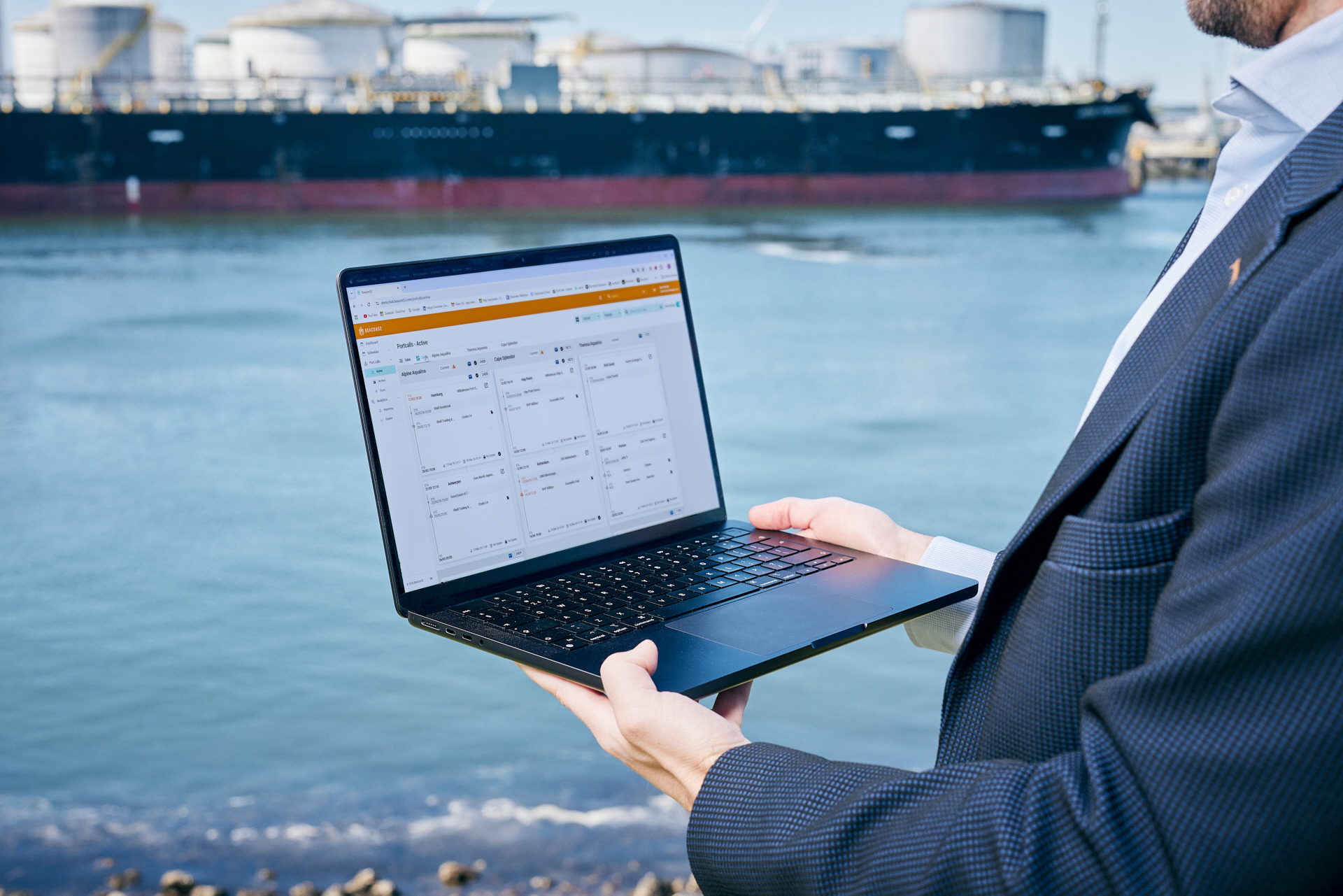
Many maritime organisations track dozens of metrics. Number of port calls, invoices processed, emails handled, operational updates sent, and countless other indicators all find their way into reports and dashboards. While these metrics may provide useful context, they often reveal very little about the actual health of an operation.
A dashboard can contain hundreds of data points and still fail to answer the questions that matter most. Where are operational bottlenecks occurring? Which processes create the most delays? Which stakeholders consistently outperform expectations? Where are unnecessary costs being introduced? And which operational risks are increasing over time?
This is where effective port call management becomes fundamentally different from data collection. The goal is to generate information that contributes to greater clarity, control, and confidence in every port call.
Five KPIs that actually improve port performance
1. Port Call Predictability
Many organisations focus heavily on delays. A more valuable question is whether a port call unfolded as expected. Predictability measures the gap between planned and actual performance. It helps organisations understand how reliably operations are being executed and where uncertainty is introduced into the process. For companies using port call management software or a maritime operations platform, predictability often becomes one of the most important indicators of operational maturity, because a predictable operation creates a stronger foundation for planning, collaboration, and decision-making.
2. Exception Rate
Not every port call requires intervention. Some, however, demand significantly more attention than others.
Exception rate measures how frequently operators need to manually intervene because something falls outside normal operating parameters. This may involve missing information, incorrect documentation, unexpected cost changes, delayed approvals, or last-minute operational updates.
A high exception rate often points to underlying process inefficiencies. This KPI is particularly valuable for organisations investing in shipping workflow software or port call software because it highlights where automation and process improvements can create the greatest impact.
3. Cost Variance
Cost control remains one of the most important priorities in maritime operations. Yet many organisations only review costs after a voyage has been completed, when opportunities for intervention have already passed. A more effective KPI measures the variance between expected and actual operational costs throughout the port call lifecycle. This allows teams to identify patterns, investigate recurring discrepancies, and strengthen financial control before small deviations become larger structural issues. For organisations managing large numbers of port calls, even relatively small variances can have a significant cumulative impact over time.
4. Response-to-Resolution Time
Many companies measure response times. Far fewer measure resolution times, even though the difference is significant.
Responding quickly to an operational issue creates activity, while resolving the issue creates value. Response-to-resolution time measures how long it takes to move from identifying a problem to successfully resolving it. As a result, this KPI often provides a much clearer view of operational effectiveness than traditional service metrics because it focuses on outcomes rather than activity alone.
5. Data Completeness
Every decision depends on the quality of the underlying data. Incomplete, inconsistent, or outdated information creates risk throughout the operation and undermines confidence in decision-making.
Data completeness measures how much of the required operational information is available, accurate, and accessible when needed. This KPI is becoming increasingly important as maritime operations software, AI solutions, and advanced analytics play a larger role in operational decision-making. Ultimately, high-quality data enables more reliable insights, stronger operational control, and greater confidence in every decision that follows.
Visibility versus decision-making
Many organisations invest heavily in visibility, and rightly so. Modern port and maritime operations platforms provide unprecedented insight into activities across global operations. They help teams understand what is happening, where it is happening, and who is involved.
The greatest value emerges when that visibility supports better decisions. Knowing that something happened is valuable. Understanding why it happened provides context. Knowing what to do next creates operational impact.
This distinction is often what separates reporting tools from true operational intelligence. The strongest port call management software goes beyond displaying information by helping users identify priorities, understand context, and make better decisions faster. In that way, visibility becomes a foundation for control rather than an objective in itself.
The next step: operational intelligence
The future of maritime operations will be shaped by organisations that turn data into better decisions. As shipping operations become increasingly complex, organisations need more than data collection and reporting. They need systems that help transform operational information into meaningful action. That is why the industry is gradually moving beyond traditional reporting and toward operational intelligence.
Modern shipping operations software and port call management software are evolving from passive information repositories into active decision-support platforms. Rather than simply presenting data, they help users understand patterns, identify risks, prioritise actions, and improve outcomes.
The objective is simple: creating more clarity from growing volumes of information, increasing control through better operational insight, and building confidence through more consistent decision-making.
Measuring what truly matters
Every organisation wants better operational performance. Performance improvement starts with measurement, but sustainable improvement depends on measuring the indicators that genuinely influence outcomes. The real challenge is ensuring that the right data is measured, understood, and acted upon.
Organisations that focus on meaningful KPIs gain something far more valuable than visibility alone: the ability to consistently improve outcomes. They create greater operational predictability, stronger control, and more informed decision-making across every port call.
Because ultimately, successful port call management is about measuring what matters, rather than tracking everything.